
Quiet Neutrals, Layered Textures, Lasting Warmth

Today we explore neutral palettes and texture layering to create refined warmth in spaces you actually live in. Expect practical color cues, tactile pairings, and lighting moves that make creams, taupes, and charcoals feel welcoming rather than cold. From linen and boucle to oak, plaster, and travertine, we translate designer strategies into simple steps. Along the way, you’ll hear a small story about a city studio softened with wool and limewash, proving calm can be deeply personal and wonderfully cozy.
Why Calm Colors Feel So Inviting
Neutral colors calm the eye by reducing visual noise, allowing subtle variations in texture and light to register as comfort rather than chaos. Warm, skin-adjacent undertones feel familiar, while matte finishes diffuse glare and create a gentle hush across surfaces. When the palette whispers, people instinctively settle, breathing a bit deeper. I once saw a stark apartment transform with only layered neutrals and candlelit shadows; the owner began lingering over breakfast because the room finally invited slow moments and soft conversation.
Reading Undertones Like a Pro
Place swatches on pure white card near a window and observe what surfaces emerge: pink, yellow, green, or violet traces. Compare two “identical” beiges side-by-side and their differences shout. Match undertones across paint, stone, and textiles to prevent clashes. If your oak floors skew orange, choose a cream with a touch of gold rather than blue. Trust your eyes in daylight and at night, because undertones shift with bulbs, shadows, and holiday string lights.
Comfort by Association
Our sense of warmth is memory-rich. Creams recall wool sweaters, oatmeal linens recall summer sheets, mushroom browns echo tree bark and worn leather journals. These subtle references gently cue safety and belonging. Introduce a clay vessel, a woven basket, or a travertine tray and notice how the mind interprets weight, earth, and steadiness. Even the faint sound of a wool throw against linen suggests softness. When colors echo nature’s quiet materials, rooms feel like an embrace rather than a display.
Avoiding the Flat Look
Neutral does not mean bland. Balance low-contrast fields with moments of depth: a charcoal pot, espresso-stained frame, or blackened steel lamp. Mix finishes—matte walls, stone with soft sheen, supple leather, open-weave linen—to generate life through touch and light. Introduce subtle pattern through herringbone, pinstripe, or nubby boucle, keeping scale gentle. Leave negative space so textures breathe, then let shadows articulate edges. The result feels composed, not empty; immersive, not busy; quiet, yet unmistakably alive.

Building a Cohesive Neutral Palette
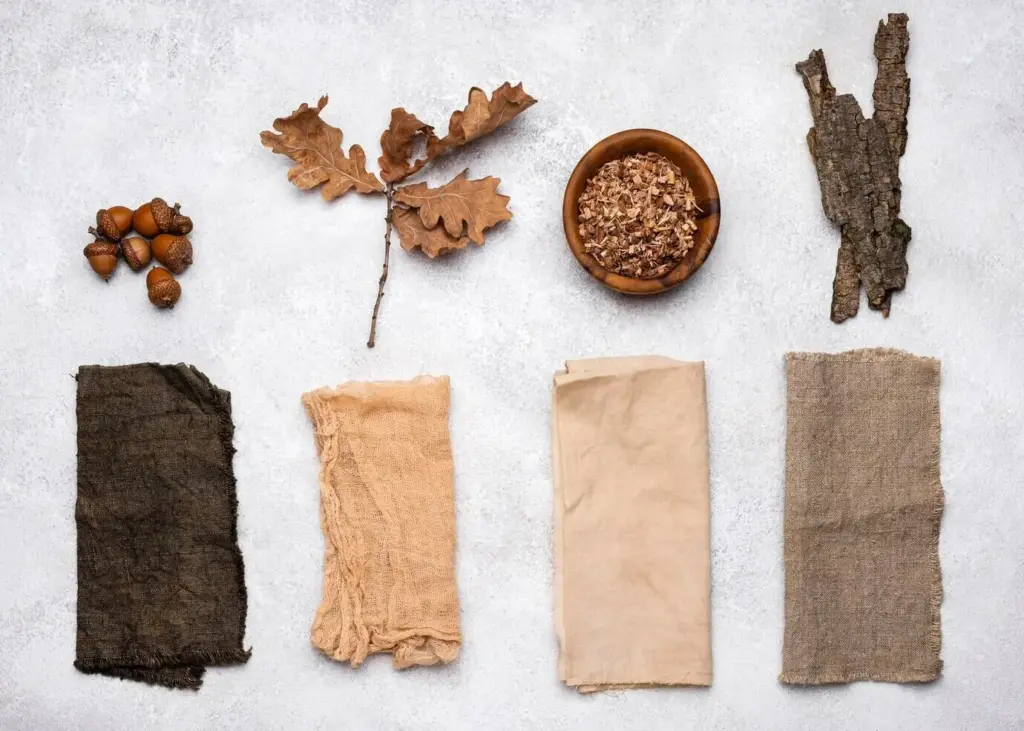
Begin with a foundational hue that flatters daylight in your space, then support it with mid-tones and anchoring darks for structure. Use small, transportable samples on a board to test combinations across rooms. Aim for tonal harmony rather than exact matches; slight shifts keep surfaces interesting. Track percentage distribution across walls, floors, textiles, and accents, noting how sheen and texture act like extra colors. When in doubt, refine by removing one element instead of adding three.
Layering Textures with Intention
Texture is where neutrals come alive. Pair rough with smooth, tight with open, cool with warm, always letting one finish lead and another support. Linen invites breath; wool adds body; leather grounds with quiet gravitas; rattan whispers of sunlit afternoons. On walls, plaster or limewash records light like soft film. On floors, a natural rug anchors movement. The best layers respect touch and maintenance, looking welcome in bare feet and beautiful under a grazing beam of light.
Let Light Do Half the Work
Light sculpts neutral spaces, revealing textures that color alone cannot. Daylight shifts undertones across hours; warm bulbs restore evening intimacy. Grazing illumination on plaster, woven shades filtering sun, and deep lamp shades pushing downward glow all help create contour. Dimmers allow tonal flexibility, while layered sources prevent flatness. I remember a narrow hallway gaining depth simply by wall-washing linen drapery; the fabric became architecture at night, its shadows lengthening like soft columns along the path home.
Room Recipes You Can Steal
Translate principles into clear, repeatable combinations. Each recipe respects proportion, undertone harmony, and tactile variety, leaving room for personal artifacts. Start with durable foundations, then add flexible layers that evolve with seasons and stories. Think of these formulas as invitations, not scripts—swap a piece, keep the rhythm, and the room still sings. The secret is restraint plus one poetic gesture, like a vintage ceramic or carved stool, that carries memory and anchors conversation effortlessly.
Patina, Cleaning, and Real Life
Protect wool rugs with routine vacuuming and blot spills quickly; spot clean linen with gentle soap; condition leather to keep it supple and dignified. Accept a few marks on wood as the story of meals and laughter. Choose stone sealers that preserve a honed finish without plastic shine. Rotate cushions to even wear. The goal isn’t perfection—it’s a believable, cared-for surface language that grows kinder with years, inviting friends to relax rather than hover politely at the doorway.
Seasonal Swaps Within the Palette
Keep a small closet bin of rotating layers: gauzy linen throws for heat, chunky knits for frost, and pillow covers shifting from flax to camel. Swap a jute rug for wool when temperatures drop, and add heavier drapery liners to cradle sound. Maintain undertone continuity so transitions feel seamless. A single branch arrangement, darker candle wax, and a textured table runner can signal the season. Evolution should feel like breathing, not a renovation, making warmth sustainable and joyful.
Tell Us What You’re Layering
We’d love to hear your experiments with neutral palettes and tactile combinations. Which undertones surprised you under evening light? What material duet made your room exhale? Share photos, questions, and small victories in the comments, and subscribe for fresh, practice-driven ideas. If you try a recipe, report back so others can learn from your tweaks. Your voice shapes this ongoing conversation, turning quiet rooms into shared stories and helping fellow readers find their version of refined, lasting warmth.
All Rights Reserved.